Watercolor Plums: A Designer’s Honest Review for Real Embroidery Projects
First Impressions: Soft, Artistic, and Versatile
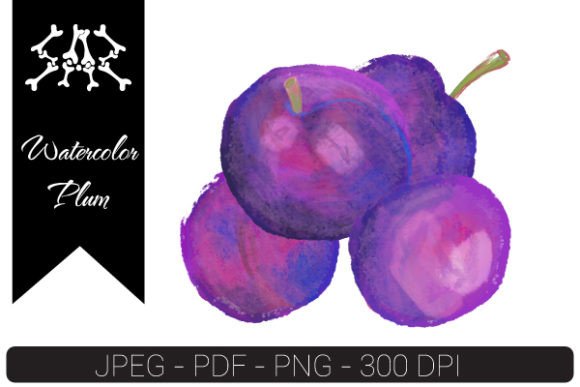
When I first opened the Watercolor Plums design, I was struck by its gentle, painterly aesthetic. It doesn’t scream for attention like some bolder embroidery files. Instead, it invites the viewer in with its subtle gradients and flowing lines. The watercolor effect is well-balanced — not too washed out, not too rigid. It feels like a design that could work equally well on a boutique tote bag or a personalized baby onesie.
The layout is centered around a cluster of plums with soft leafy accents, giving it a natural, slightly whimsical vibe. The theme leans toward the feminine and elegant, but it’s not overly delicate. That makes it adaptable for a variety of handmade products without being too niche.
Real-Life Use: How Watercolor Plums Stitches Up
I tested Watercolor Plums on a few different fabrics to see how it would hold up in actual embroidery work. Starting with a medium-weight cotton tote bag, the design stitched cleanly with minimal thread breaks. The satin and fill stitches were well-placed, and the watercolor effect translated surprisingly well into thread — especially with a mid-range thread color palette that mimicked the original digital hues.
When I moved to a sweatshirt fabric, I noticed how the design’s open spaces and layered stitches responded to texture. It held up well on the looped surface, though I did add an extra layer of lightweight stabilizer to prevent puckering. The result was soft to the touch and looked high-quality, which is key for custom apparel or boutique items.
I also tried it on a baby onesie, where the size and placement were crucial. The design scaled nicely without losing clarity, and the detail in the plum outlines remained sharp even at a smaller size. This makes Watercolor Plums a solid choice for baby embroidery or personalized gifts where neatness and clarity matter.
Where It Shines: Ideal Products and Use Cases
Watercolor Plums feels most at home on soft, neutral-toned fabrics. It’s perfect for:
- Custom tote bags with a handcrafted look
- Women’s sweatshirts or lounge wear with a subtle artistic touch
- Baby blankets and onesies that need a gentle, elegant design
- Wedding or bridal shower gifts like embroidered tea towels or pillow covers
- Commercial embroidery projects like boutique apparel or Etsy listings
It also works well as part of a larger collection of floral or nature-themed embroidery files. If you're creating a cohesive product line, this design can easily be paired with other soft, watercolor-style illustrations.
Where to Use It Carefully: Fabric, Size, and Detail Considerations
While Watercolor Plums is versatile, it does have some limitations. I noticed that on dark fabrics, the lighter threads tended to get lost in the background unless I added a subtle outline or shadow layer. If you’re planning to use this on black or navy garments, test the thread colors carefully or consider adjusting the design’s contrast.
On stretchy fabrics like performance tees or curved surfaces like baseball caps, the watercolor effect can distort slightly. I recommend using a firm stabilizer and testing the design on a sample piece before committing to the final product.
Also, if you’re working with small hoop sizes, you’ll want to check how the details hold up. The leaves and plum outlines are fine enough that they might merge or lose clarity when scaled down too far. It’s a good idea to run a test stitch on scrap fabric to make sure everything still reads clearly.
Impact on Product Quality and Customer Appeal
From a design perspective, Watercolor Plums adds a touch of sophistication without being overly complex. That’s a big win for small business owners and Etsy sellers who want to offer something unique without overcomplicating their embroidery workflow.
Customers respond well to soft, artistic designs — especially when they’re used in personalized gifts. I’ve seen this trend in my own shop: embroidered items with a hand-painted look tend to sell faster and receive more positive feedback than more traditional, crisp embroidery styles.
Using Watercolor Plums in a finished product can elevate the perceived value of your item. It gives a sense of craftsmanship and intentionality that resonates with buyers looking for something beyond mass-produced decor or apparel.
Designer Notes: Practical Tips for Using Watercolor Plums
If you’re planning to use this design in your embroidery projects, here are a few practical tips based on my experience:
- Test the design on scrap fabric first, especially if you're using it on textured or stretchy materials.
- Check thread color contrast against your fabric — especially for the lighter areas of the plums.
- Review stitch density to avoid puckering on delicate or stretchy fabrics.
- Confirm hoop size before stitching — especially if you're scaling the design up or down.
- Inspect small details like leaf veins and plum outlines to ensure they stitch cleanly.
- Test it in black and white mockups to see how it will look in different color schemes.
- Compare light and dark fabric backgrounds to see how the design translates visually.
- Use proper stabilizer — especially for curved surfaces or stretchy materials.
- Check licensing before using the design in commercial embroidery projects or digital product bundles.
Final Thoughts: A Thoughtful Addition to Your Embroidery Library
Watercolor Plums is a quiet standout — not flashy, but thoughtful in its design and execution. It’s the kind of embroidery file that works well across a range of projects without demanding too much in terms of editing or adaptation. Whether you’re creating custom apparel, personalized gifts, or small shop products, this design brings a soft, artistic touch that customers will appreciate.
If you're looking to expand your embroidery offerings with something elegant yet practical, Watercolor Plums is worth a closer look. Just remember to test it thoroughly and consider your fabric and thread choices carefully to get the best results.