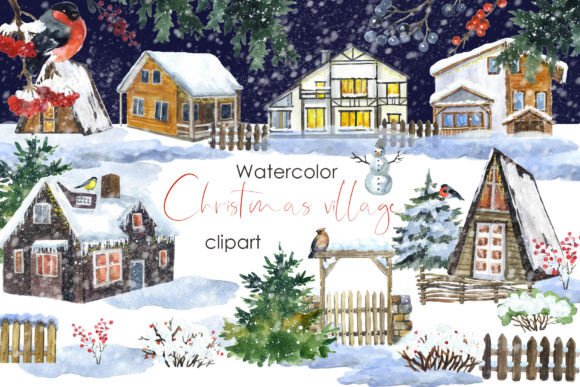
Watercolor Insects and Snowfowl Clipart: A Visual Designer’s Take for Bloggers & Publishers
As a blog designer and digital publisher who works with content creators across niches, I’m always on the lookout for design assets that bring both aesthetic value and functional flexibility. Recently, I came across Watercolor Insects and Snowfowl Clipart and decided to test it in a few live publishing scenarios—from featured images to Pinterest pins and newsletter headers. Here’s my honest take on how this illustration set holds up in real editorial and web design use cases.
First Impressions: Artistic, Delicate, and Seasonally Inspired
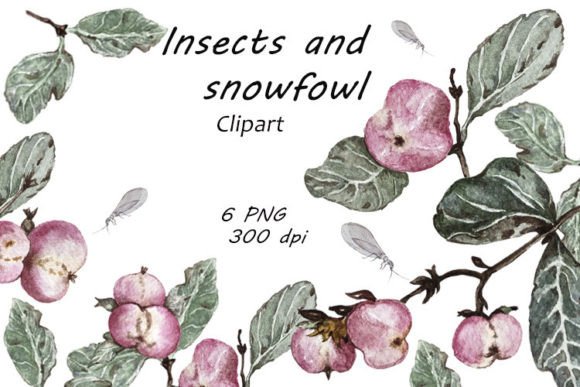
Right out the gate, the Watercolor Insects and Snowfowl Clipart gives off a soft, artistic vibe. The watercolor texture adds depth without overwhelming the subject, and the color palette leans into cool, earthy tones—perfect for seasonal content, nature-based niches, or editorial layouts that benefit from a touch of organic charm.
From a design standpoint, these illustrations feel more lifestyle-focused and decorative than minimal or corporate. They wouldn’t suit a legal blog or a finance affiliate site, but they’d thrive in niches like gardening, natural wellness, eco-friendly living, or outdoor education. If your brand leans into nature, sustainability, or artisanal design, this clipart set could become a subtle but powerful part of your visual identity.
Real-World Publishing Use Cases for Watercolor Insects and Snowfowl Clipart
Let’s talk practicality. Here are the key ways I used this graphic design asset across real content publishing workflows:
- Blog Featured Images – Used as background accents or central icons, these illustrations add a soft focal point that doesn’t distract from the headline but still enhances visual appeal.
- Pinterest Graphics – The organic shapes and soft lines work beautifully in Pinterest’s image-driven layout. These clipart elements helped elevate the editorial tone of DIY, craft, and nature pins.
- Newsletter Headers – Placed subtly above a headline in a Mailchimp template, the snowfowl and insect illustrations gave the email a handcrafted, approachable feel.
- Downloadable Printables – Ideal for nature-themed worksheets, seasonal guides, or eco-journals. The watercolor style adds a decorative touch without looking cluttered.
- Canva Templates – These illustrations integrate smoothly into Canva layouts, especially when used as corner accents or background textures in digital guides or lead magnets.
How This Design Asset Boosts Content Performance
Visuals matter more than ever in content marketing. The right graphic design asset can do more than just look pretty—it can improve your content’s performance in several key ways:
- Stronger First Impressions – Clean, artistic visuals like these help your blog or digital product feel more polished and intentional.
- Better Click-Through Potential – Especially on Pinterest or social media, these illustrations stand out in a feed, encouraging more engagement.
- Clearer Visual Hierarchy – When used as icons or headers, they guide the reader’s eye naturally through the page.
- Improved Reader Trust – Professionally designed clipart contributes to a sense of quality and reliability in your content.
- Consistent Branding – If your niche aligns with the aesthetic, these illustrations can become part of your recurring visual language.
Where Watercolor Insects and Snowfowl Clipart Works Best
This Illustrations pack shines brightest in the following publishing contexts:
- Hero Images – As a background texture or decorative overlay in a soft-toned header section.
- Article Thumbnails – Especially for nature or seasonal topics where the imagery feels contextually relevant.
- Editorial Accents – Used to separate sections or highlight key points in long-form blog posts.
- Newsletter Headers – Adds a personal, handcrafted feel to email campaigns.
- Content Upgrades – Works beautifully in downloadable resources like checklists or seasonal guides.
Where to Use This Clipart with Caution
Despite its beauty, Watercolor Insects and Snowfowl Clipart isn’t a one-size-fits-all solution. Here are a few situations where I’d advise caution:
- Small Mobile Thumbnails – The detail and softness can get lost at tiny sizes.
- Text-Heavy Blog Images – The watercolor texture might reduce readability if layered behind headlines.
- Low-Contrast Backgrounds – These illustrations may blend in too much if not placed thoughtfully.
- Corporate or Minimalist Sites – Their decorative nature doesn’t align with ultra-modern or professional design systems.
- Busy Layouts – In already complex designs, they can add visual noise rather than clarity.
Publisher Notes: What to Test Before Going Live
Before you embed this digital design asset into your content, here’s what I recommend testing:
- Desktop vs Mobile Display – Ensure the clipart looks good on both screen sizes.
- Thumbnail Preview – Zoom out to see how it holds up as a small blog image or social media preview.
- Headline Text Overlay – Test with different fonts and background contrasts to maintain readability.
- Font Pairing – Try it with serif, sans-serif, and script fonts to see which combinations feel most cohesive.
- Black and White Conversion – Some illustrations may lose impact when converted to grayscale for print or accessibility.
- File Size and Web Performance – Compress images properly to avoid slowing down your site.
- Licensing Terms – Confirm you have a commercial license before using in paid content, affiliate marketing, or digital products.
Final Thoughts: A Thoughtful Addition to Nature-Themed Design Kits
If you’re a blogger, online educator, or small business owner who works with nature, seasonal, or lifestyle content, the Watercolor Insects and Snowfowl Clipart set is definitely worth considering. It brings a soft, artistic edge to blog graphics, digital guides, and social media visuals—helping your content feel more intentional and visually engaging.
Just remember, like any creative design element, it works best when aligned with your brand’s tone and audience expectations. Used thoughtfully, this design asset can become a quiet but powerful part of your content’s visual storytelling toolkit.